Auto-apply to jobs when you're changing careers
Yes, with one condition: you need to tell Applier what you're changing to and why. Applier is an AI job application service that applies for you. When you're changing careers, it reads a note you write in your own words, judges each job against it as well as against your resume, and tailors your application using the job ad's wording only where it truthfully fits your experience. That's the difference between an automatic tool that keeps sending you jobs from your old field and one that works toward the new one.
Why career changers need more than a keyword match
A career change breaks the usual job-matching shortcut. Your resume says one thing (the field you've worked in), your goal says another (the field you want), and the work that links them is usually in the details: a project, a transferable skill, a course. A tool that only compares your resume with job titles will push you back where you came from.
Recruiters also know this. They are looking for evidence that you can do the work, and they have limited time. New Zealand's career service, Tahatū, advises that you start with a general CV that has everything in it, then change it to fit the different jobs you apply for, and change your cover letter to suit the job you're applying for so it matches what the employer is looking for. For a career changer that tailoring is the whole job: the same experience has to be described in the language of a different field.
What you tell Applier
- Up to five job titles you'd take, including the ones in your new field, with an option to search only the exact title, plus titles to avoid. Add the entry-level and the adjacent titles you'd accept.
- A note in your own words about what you want, which Applier reads when it judges a match. Write the change down: "Moving from retail management into customer success; I want roles where I manage client relationships, not sales targets."
- Your resume. Applier lays it out in a standard, ATS-friendly format and you preview it before it replaces your current one. Your original stays available.
- Background and employer questions such as education, years of experience and licenses.
- Exclusions. Name companies and industries you're leaving behind and don't want to be matched with.
How Applier tailors for a different field
For every role, Applier tailors your resume to the job ad's wording and writes a new cover letter for that role. For a career changer the important rule is truth: Applier uses the ad's terms where they describe work you have actually done, and it doesn't make claims you can't back up. The guide to tailoring a resume to a job description explains the process and the limits. In practice it means a resume for a customer-success role might lead with your account management and client-facing work from retail, using that field's words for it, instead of leading with stock control.
Tahatū's guidance on AI tools is worth reading before you rely on any of them: it says AI tools work best when you check, personalise and edit results, and that employers value genuine, personalised applications. That's why Applier has modes that let you look before anything is sent.
Match labels that suit a career change
Each match is labelled a strong match, a stretch or a related role. When you're moving fields, most of the interesting roles are stretches and related roles, and that's by design: they're the ones where your background fits part of the ad rather than all of it. Applier has three modes for applications:
- Review: you approve each job before Applier applies.
- Hybrid: strong matches go on their own and stretches and related roles wait for you.
- Auto: every match goes on its own, strong matches first.
For a career change, Review is the better first setting. You see which roles Applier picked and why, and you learn whether your note and titles point it the right way. If the first batch is off, change your titles or your note in Settings and the next matches follow. When the matches look right, Hybrid lets the strong ones go on their own while you keep deciding on the stretches. Even in Auto, Applier holds a match for you when it can't confirm that the job fits a rule you set.
Introductions that explain the change
After an application is submitted, Applier finds people on the hiring team and writes each a short introduction from your Gmail, with your tailored resume attached. This is where a career changer's story is told in two sentences instead of buried in a resume. Introductions have their own Review, Hybrid and Auto modes and start in Review, so you can read each email and edit the story before it goes out. See the guide to emailing the hiring manager after applying for what to put in it.
What still needs you
- You have to decide what you're changing to. Applier follows your note and titles; it won't choose a new career for you.
- When an application asks something you haven't answered, Applier fills in an answer and lists it under Answers to check, so you can confirm or correct it.
- Some applications can't be finished; these show as Failed in your dashboard.
- Applications and emails go out in your name, so keep your resume and profile accurate.
For the whole process, read how Applier works. Plans and prices are on the pricing page, and every new member starts with a free trial.
More auto-apply guides
- Job hunt while employed: let AI apply for you
- Auto-apply on an H-1B: jobs that accept a transfer or will sponsor
- Auto-apply to jobs on F-1 OPT and STEM OPT
- All auto-apply guides
Real interview invites from members' inboxes
See more interview invites →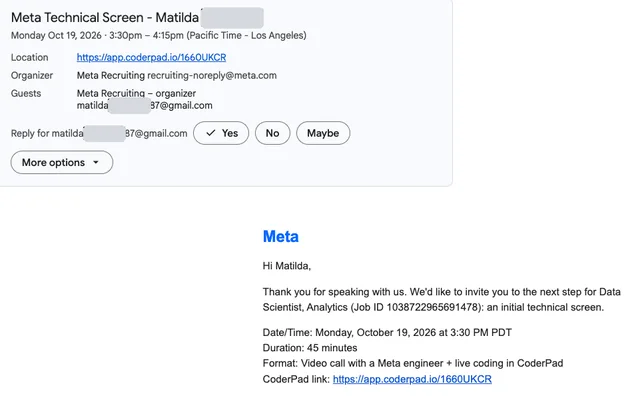
 Meta
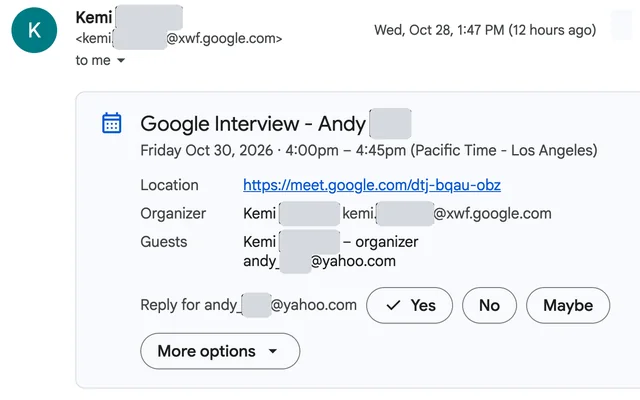
 Google
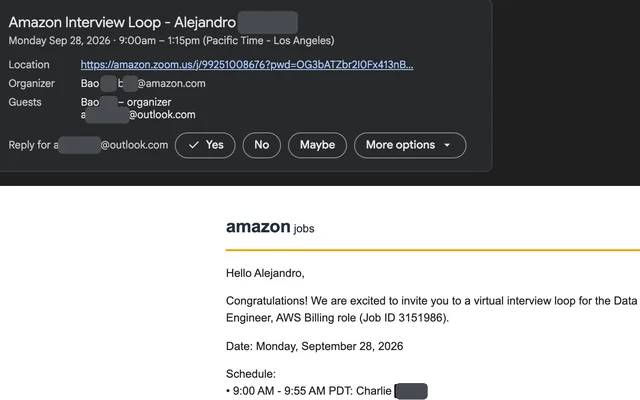
 AWS
Frequently asked questions
How does Applier know I am changing careers?
You tell it. Applier reads a note you write in your own words, and the job titles you choose, when it judges each match. Write the change down, for example the field you are leaving and the kind of work you want next.
Will Applier exaggerate my experience for the new field?
No. Tailoring uses the job ad's wording only where it describes work you have actually done. Starting in Review mode lets you read each resume and cover letter before anything is sent. See tailoring a resume to a job description.
Should I let Applier apply on its own?
Start in Review, where you approve each job. Once the matches look right, Hybrid lets strong matches go on their own while stretches and related roles, which is where most career changes land, wait for you.
Sources
- How to look for a job, Tahatū Career Navigator (New Zealand Government), 2026
- Using AI to create a CV or cover letter, Tahatū Career Navigator (New Zealand Government), 2026